
What Are Your Options If Your Insurer Denies Coverage for an MRI, CT Scan, or Other Critical Diagnostic Test?
Legally reviewed By Scott Glovsky in Uncategorized
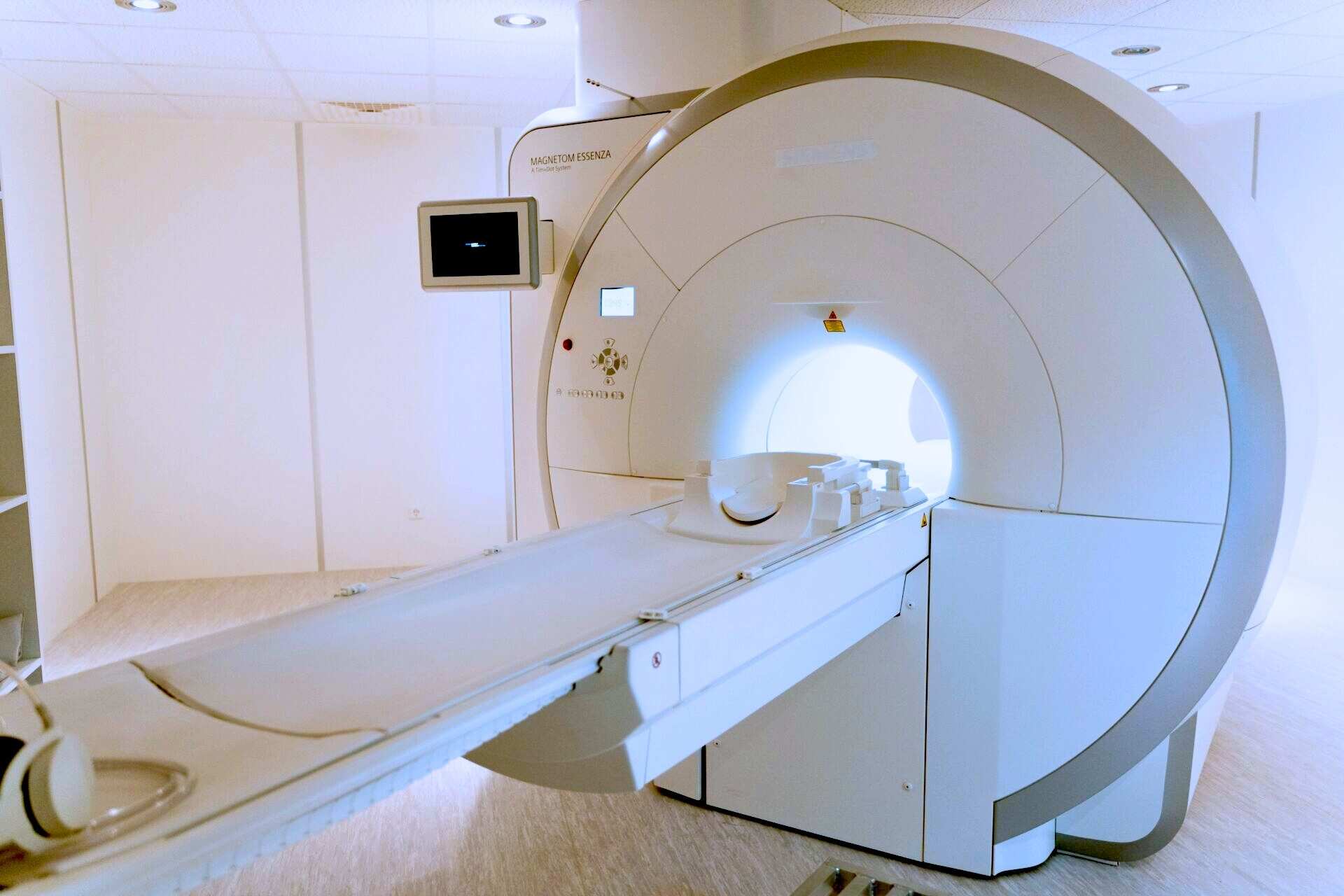
Being denied coverage for an MRI, CT scan, or another essential diagnostic test can be stressful and confusing, especially when you need answers about your health. Too often, insurance companies deny these claims, citing reasons like “not medically necessary” or “out-of-network,” even when your doctor considers the test essential. Understanding your options is key to ensuring you get the care you need.
Key Takeaways: Diagnostic Test Denial (California)
- An MRI or CT scan denial is not the end of the road: most diagnostic test denials in California can be challenged through an internal appeal and, if needed, an external review.
- Start with the denial letter and the deadline: insurers often deny tests as “not medically necessary,” “out-of-network,” or “experimental/investigational,” and your appeal should directly rebut the stated reason.
- Medical documentation wins diagnostic test appeals: a strong physician letter, clinical notes, symptoms, prior treatment, and the medical risks of delay can help overturn a diagnostic test denial.
- Urgency matters: delays in imaging for cancer, neurological, cardiac, and other serious conditions can worsen outcomes—ask about expedited review if waiting could harm your health.
- If your insurer keeps denying or delaying, legal action may be an option: a California health insurance denial lawyer can evaluate bad-faith conduct, improper utilization review, and next steps to help you get timely testing.
Understanding Diagnostic Test Denials
Insurers may deny coverage for diagnostic tests for several reasons:
- They claim the test is “not medically necessary.”
- The provider or facility is out-of-network.
- The test is considered experimental or investigational.
For patients with serious conditions, such as cancer, neurological disorders, or heart disease, delays in diagnostic testing can lead to delayed treatment and worse outcomes. Denials for MRI, CT, or other critical tests are not uncommon, but they can be challenged.
Steps to Take After a Denial
Step 1 – Review the Denial Letter Carefully
Start by reviewing the insurer’s denial notice. This document should explain why coverage was denied and provide instructions for appealing. Deadlines are critical, so make sure you note any timelines for submitting your appeal.
Step 2 – Gather Supporting Medical Documentation
Collect all relevant medical records, including your doctor’s notes, previous test results, and letters explaining why the diagnostic test is necessary. Clear documentation demonstrating medical necessity strengthens your appeal.
Step 3 – Submit an Internal Appeal
Most insurers, including Anthem Blue Cross and Blue Shield of California, have an internal appeal process. Your appeal should address the insurer’s stated reason for denial, attach supporting documentation, and clearly explain why the test is critical to your care.
Step 4 – Consider an External Review
If your internal appeal is denied, you may have the right to an independent external review. In California, this process often involves the Department of Managed Health Care or another regulatory agency. An external review provides an additional opportunity to overturn the denial.
Step 5 – Seek Legal Assistance
Health insurance denials can be complex, and timelines are strict. Working with an attorney experienced in health insurance denials ensures your appeal is properly submitted and deadlines are met. Legal guidance can also be valuable if the insurer is acting in bad faith or continuing to delay necessary testing.
Don’t Let Insurance Denial Stop You – Take Action
A denied MRI, CT scan, or other diagnostic test does not mean you are without options. By reviewing your denial, gathering detailed medical documentation, and pursuing an appeal or external review, you increase the likelihood of getting the care you need.
Contact Los Angeles Health Insurance Denial Attorney Scott Glovsky Today
If your insurance company has denied coverage for a critical diagnostic test, The Law Offices of Scott Glovsky can help. With decades of experience fighting health insurance denials in California, we guide clients through the appeal process and advocate for timely access to essential medical care.
Contact us today at 626-243-5598 for a confidential consultation and learn how we can help you challenge a denial and get the tests you need.
💡 FAQ: Diagnostic Test Denial in California (MRI & CT Scan Denials)
Why would insurance deny an MRI, CT scan, or other diagnostic test?
Why would insurance deny an MRI, CT scan, or other diagnostic test?
Common reasons include claims that the test is “not medically necessary,” lack of prior authorization, out-of-network rules, step therapy requirements (trying other treatment first), coding/documentation issues, or labeling the test “experimental/investigational.” The denial letter should state the specific reason to address in an appeal.
What should I do first after a diagnostic test denial in California?
What should I do first after a diagnostic test denial in California?
Read the denial letter carefully, identify the exact denial reason, and write down every deadline. Save your Explanation of Benefits (EOB), any prior authorization records, and all communications. If the denial is based on missing information, ask your provider to correct and resubmit immediately.
How do I prove an MRI or CT scan is medically necessary?
How do I prove an MRI or CT scan is medically necessary?
Medical necessity is usually supported by a detailed physician letter explaining symptoms, exam findings, suspected diagnosis, and why imaging is needed now. Strong appeals also include clinical notes, prior test results, failed conservative treatment, and the medical risks of delaying diagnosis or treatment.
What if my MRI or CT scan was denied for lack of prior authorization?
What if my MRI or CT scan was denied for lack of prior authorization?
Ask your provider to confirm what was submitted and whether the request matched the insurer’s requirements. Sometimes the issue is a paperwork or coding error that can be corrected. If the insurer still denies, you can appeal and include documentation showing why imaging is necessary and why any delay could harm you.
What does “out-of-network” mean for a diagnostic test denial?
What does “out-of-network” mean for a diagnostic test denial?
It means the imaging facility or radiology provider wasn’t in your plan’s network. Denials sometimes happen even when patients had limited control over where testing was scheduled. If you couldn’t reasonably access an in-network option, document access barriers (availability, wait times, distance) and include them in your appeal.
Can I ask for an expedited appeal if I need imaging urgently?
Can I ask for an expedited appeal if I need imaging urgently?
Yes, if a delay could seriously jeopardize your health. Ask your insurer about expedited or urgent review and have your treating physician put the urgency in writing, explaining the risks of waiting for an MRI, CT scan, or other diagnostic testing.
How do I file an internal appeal for a diagnostic test denial?
How do I file an internal appeal for a diagnostic test denial?
Submit your appeal in writing and directly respond to the insurer’s stated reason for denial. Include your denial letter, a physician letter of medical necessity, supporting medical records, and any prior authorization history. Keep proof of delivery and save a complete copy of everything you submit.
What is an external review and when does it apply in California?
What is an external review and when does it apply in California?
An external review is an independent review of the denial by a neutral third party after an internal appeal is denied (or in certain urgent situations). It can be especially important when the denial is based on medical necessity or “experimental/investigational” claims.
What documents should I include with an appeal for an MRI or CT scan denial?
What documents should I include with an appeal for an MRI or CT scan denial?
Include the denial letter, relevant clinical notes, exam findings, prior test results, treatment history, and a physician letter explaining why imaging is necessary now. Add any prior authorization submissions, referral records, and documentation showing the consequences of delay.
When should I contact a California health insurance denial lawyer about a diagnostic test denial?
When should I contact a California health insurance denial lawyer about a diagnostic test denial?
Consider legal help if the denial involves urgent symptoms, a serious suspected condition, repeated delays, confusing insurer explanations, or tight deadlines. An attorney can help build a stronger record, meet timelines, and evaluate whether the insurer’s conduct supports legal action.